Mapping Incentive Pathways Across Verification Layers to Payout Eligibility in Virtual Betting Systems

Initial incentives in digital betting environments typically begin with sign-up rewards such as matched deposits or free credits that platforms extend to new users, and these offers follow structured routes through multiple compliance checkpoints before any funds become eligible for withdrawal, according to industry reports from regulatory bodies in various regions.
Platforms require users to complete identity verification steps early in the sequence, where submitted documents undergo automated and manual reviews to confirm age and residency status, while data from the American Gaming Association indicates that successful verification rates often exceed 85 percent within the first 48 hours when users provide clear government-issued identification.
Initial Activation and Early Compliance Filters
Users activate incentives by entering bonus codes or accepting promotional terms during registration, yet these credits remain locked until basic account details receive validation through email confirmation and phone number checks, and observers note that this stage prevents premature attempts at fund movement while establishing the foundation for later stages.
Geolocation tools come into play here as well, since many jurisdictions mandate that betting activity occurs only within approved territories, and systems cross-reference IP addresses with declared locations to flag discrepancies before any wagering on the incentives can proceed.
Advanced Verification and Regulatory Alignment
Once early filters clear, accounts advance to enhanced due diligence that includes source-of-funds declarations and transaction history reviews, and research from the Australian Institute of Criminology highlights how these measures align with anti-money laundering frameworks that became more standardized across digital platforms by early 2026. Platforms integrate biometric options such as facial recognition during this phase to accelerate processing while maintaining audit trails that regulators can access upon request.
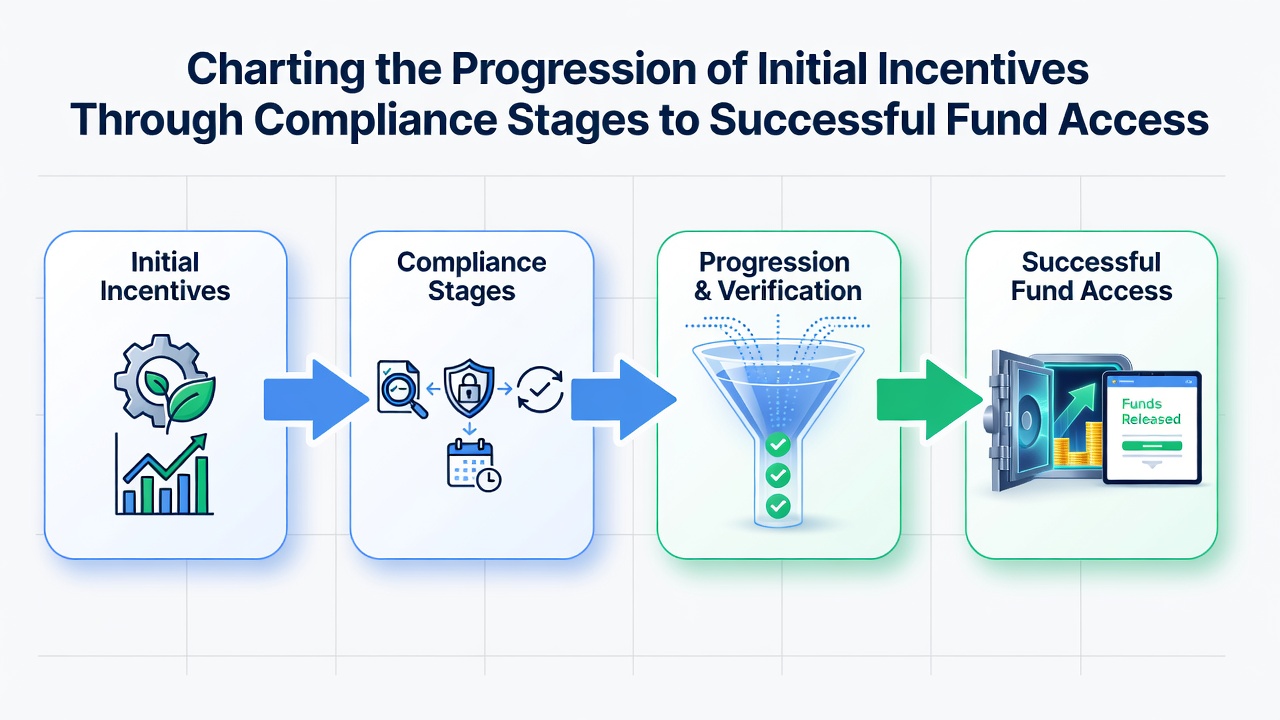
By June 2026 several major operators had rolled out unified compliance dashboards that allow users to track their progression status in real time, and these tools display pending requirements alongside estimated timelines for each milestone, which reduces support queries and keeps the incentive journey transparent.
Wagering Requirements and Milestone Tracking
After verification completes, incentive credits enter a wagering phase where playthrough conditions apply, typically measured in multiples of the bonus amount, and systems automatically deduct completed wagers from outstanding requirements while logging every qualifying bet in user histories. Industry data reveals that users who combine sports betting with casino games often meet these thresholds faster because different game categories contribute varying percentages toward fulfillment.
Time limits on incentives add another layer, since most offers expire within 30 days if conditions remain unmet, yet extensions sometimes appear for verified accounts that encounter temporary holds during compliance reviews.
Transition to Fund Access and Redemption Protocols
Successful navigation through all prior stages opens withdrawal channels, where users select preferred payment methods that themselves undergo separate compliance screening for speed and security, and data from the National Council on Problem Gambling shows that verified accounts experience fewer delays once payout requests align with platform policies on minimum thresholds and processing windows. E-wallets and bank transfers dominate these final steps because they support the rapid movement of cleared funds without additional documentation in most cases.
Dispute resolution mechanisms sit alongside these processes, since platforms maintain logs of every compliance interaction that can resolve discrepancies if a withdrawal faces temporary flags, and users who maintain complete records throughout the incentive lifecycle report smoother outcomes according to aggregated platform analytics.
Conclusion
The full sequence from initial incentive claim through layered compliance checks ultimately determines when funds reach user accounts, and digital betting environments continue refining these pathways with technology that balances user convenience against regulatory demands across global markets. Tracking each stage provides clear visibility into the requirements that separate promotional credits from accessible balances.